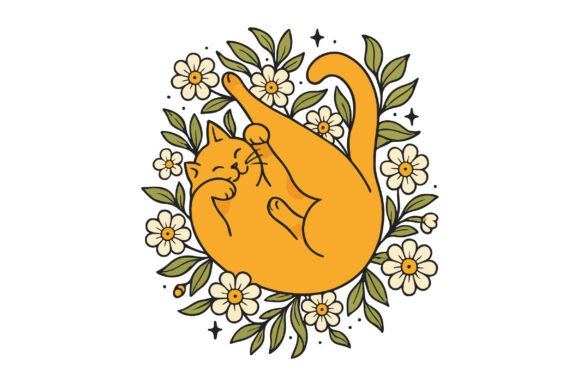
Cat SVG Sublimation T-Shirt
A Designer’s First Look: Charm Without Clutter
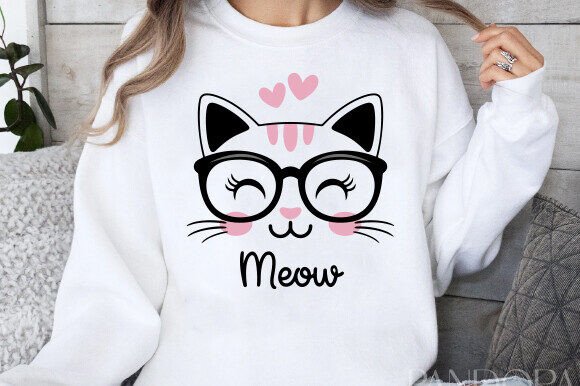
When I opened Cat SVG Sublimation T-Shirt, what struck me first wasn’t technical precision—it was personality. Clean lines, a gentle curve to the cat’s back, soft ear shape, and just enough facial expression to read as curious, not cartoonish. It’s not overly detailed—no whisker-by-whisker realism—but it carries warmth and quiet confidence. That matters more than you’d think when translating a design into thread. I immediately pictured it stitched on a linen-cotton tea towel for a boutique kitchen line: friendly but refined, handmade but intentional.
How It Holds Up in Real Embroidery Projects
I tested Cat SVG Sublimation T-Shirt across three real-world applications: a medium-weight organic cotton tote bag, a lightweight baby onesie (6–12 months), and a structured twill apron for a local café pop-up. In each case, the design scaled cleanly—no pixelation, no jagged edges—even when resized down to 3.5 inches wide for the onesie. Its vector foundation (AI, EPS, SVG) made color swaps effortless: switching from navy thread on cream canvas to blush pink on charcoal denim took under two minutes in Illustrator.
On the tote, the cat sat beautifully centered above the pocket—balanced, legible, and soft in stitch density. No dense fill areas that could stiffen the fabric. On the onesie? I used a light tear-away stabilizer and reduced satin stitch width slightly; the outline held crispness without puckering. The apron required minor anchor-point tweaks to follow the curved waist seam, but the 100-vector construction meant edits stayed precise—not guesswork.
Where This Design Fits—and Where It Doesn’t
Cat SVG Sublimation T-Shirt shines brightest in projects where simplicity reads as care: nursery decor, personalized gifts for cat lovers, small-batch apparel for indie shops, or embroidered patches for craft fairs. It works well for sweatshirt embroidery (especially on brushed fleece), pillow covers with medium-weave linen, and holiday embroidery like custom stockings or gift tags.
But here’s what I watched closely: on stretchy jersey t-shirts, the design needed extra stabilization and slower stitching speed—its clean curves can blur if tension isn’t dialed in. On dark fabric, I confirmed contrast early by testing black thread on navy twill; the silhouette remained strong, but fine inner details (like subtle ear contouring) softened unless I added one extra pass of running stitch for definition. And on curved surfaces—like a baseball cap front—I avoided placing it too close to the crown seam; the shape doesn’t wrap naturally, and distortion crept in beyond 4 inches wide.
What It Adds to Your Finished Product
This isn’t just a graphic—it’s a quiet value amplifier. When stitched cleanly, Cat SVG Sublimation T-Shirt elevates perceived craftsmanship. Customers notice the evenness of the outline, the absence of thread nests, the way the cat “sits” on the fabric instead of fighting it. That builds trust—especially for Etsy sellers or handmade shop owners whose buyers equate polish with professionalism.
It also supports brand consistency. Because it’s fully editable and built from discrete vector shapes, you can align its line weight with your other design assets—say, matching the stroke thickness of your shop logo or coordinating with a set of seasonal embroidery files. And for digital product sellers, it’s a smart addition to a “starter bundle”: minimal learning curve, high recognition factor, and broad appeal across age groups and aesthetics.
Practical Notes Every Embroidery Designer Should Check
- Always test on scrap fabric first—especially with textured weaves or blends. What looks smooth in vector may need adjusted stitch length on burlap or terry cloth.
- Review thread color contrast before finalizing. This design relies on silhouette clarity—low-contrast combos (e.g., light gray on heathered oat) can mute impact.
- Confirm hoop size compatibility. While scalable, the original layout assumes a standard 4×4 or 5×7 hoop. Resizing beyond 6 inches may require reworking jump stitches manually.
- Inspect small details at actual stitch size. That delicate ear curve? At 2 inches wide, it’s still legible—but at 1.25 inches, I added a single reinforcing running stitch to preserve shape.
- Test black-and-white mockups to assess visual weight. If it disappears against busy backgrounds (like striped fabric or printed linens), consider simplifying further or adding a subtle drop shadow in your embroidery software.
- Use appropriate stabilizer: cut-away for knits, tear-away for stable wovens, and fusible + tear-away for lightweight baby items.
- Verify licensing before selling finished products or bundling digitally. Since this is listed under Freebies and Graphics, confirm whether commercial use—including resale of embroidered goods—is explicitly permitted.
Final Thought: A Thoughtful Tool, Not a Shortcut
Cat SVG Sublimation T-Shirt won’t replace your own hand-drawn motifs—but it does save hours of digitizing time while delivering something genuinely usable. It respects fabric. It respects the stitcher’s time. And it respects the customer’s eye. Whether you’re prepping a batch of personalized baby embroidery, building a cohesive line of boutique kitchen towels, or curating digital embroidery files for your Etsy shop, this design earns its place—not because it’s flashy, but because it’s dependable, adaptable, and quietly full of character. Just remember: even the best embroidery file is only as strong as the intention behind its use. Test it. Tweak it. Make it yours.