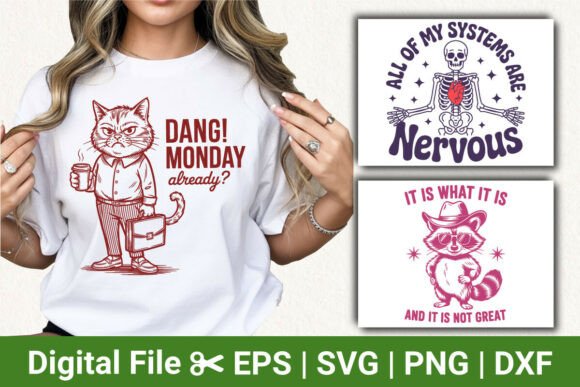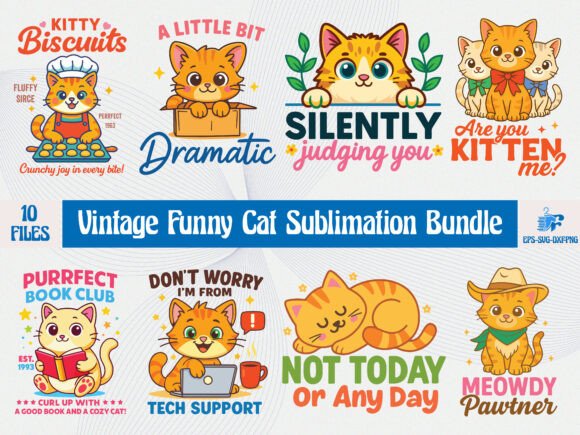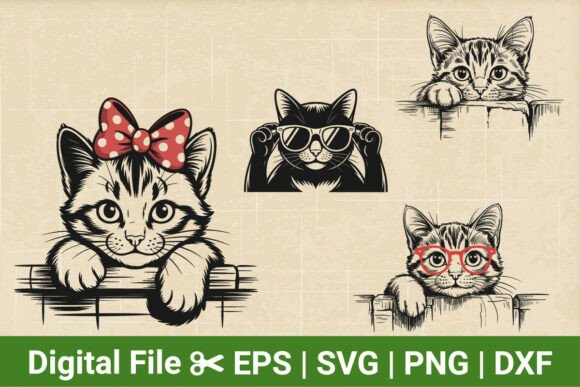
Vintage Duck Raccoon Cat SVG
First Impressions: Whimsy with a Nostalgic Edge
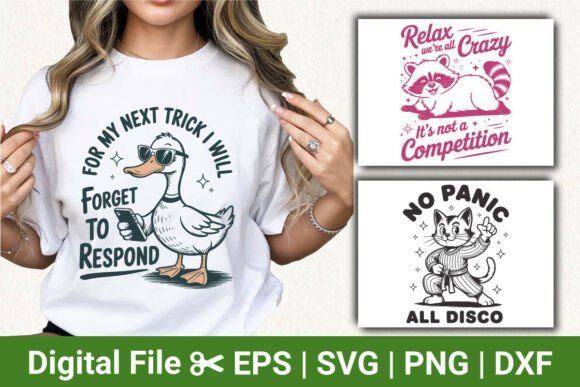
Opening Vintage Duck Raccoon Cat SVG feels like flipping through a well-loved 1940s storybook—playful, slightly offbeat, and quietly charming. It’s not cartoon-cute or hyper-polished; it’s got that hand-drawn looseness you’d expect from a vintage enamel pin or a pressed botanical illustration. The duck, raccoon, and cat share a single cohesive silhouette—interlocking but distinct—with subtle line weight variation and gentle negative space between them. That visual rhythm matters: it translates beautifully into stitch, especially for machine embroidery design where clarity and breathing room prevent muddy fills.
A Real Project Test: Embroidering a Linen Tote Bag for a Local Boutique
Last week, I prepped this design for a limited-run embroidered tote bag order—natural linen, medium-weight, for a neighborhood gift shop launching a “Wild & Gentle” spring collection. I chose Vintage Duck Raccoon Cat SVG because it straddles novelty and timelessness. Not too literal, not too abstract. Customers responded to the quiet storytelling—not just “a duck,” but “a duck *with* a raccoon *and* a cat,” suggesting friendship, curiosity, or shared mischief. On the finished tote, the design sat cleanly centered on the front panel, about 4.5 inches wide. No crowding, no awkward stretching. It looked handmade—not mass-produced—and that elevated perceived value instantly.
Where It Shines (and Where It Asks for Thought)
Vintage Duck Raccoon Cat SVG performs exceptionally well across several embroidery project types:
- Sweatshirt embroidery: Its moderate detail holds up against fleece texture without needing excessive underlay or dense fill stitch.
- Baby embroidery: Soft curves and rounded forms read clearly at small scales—ideal for onesies or burp cloths when sized down to 3 inches.
- Embroidered patch: Clean outer edges make it easy to digitize for peel-and-stick or sew-on backing.
- Holiday embroidery: Paired with muted thread colors (ochre, slate, sage), it reads as cozy and intentional—not seasonal in a dated way.
- Commercial embroidery: Works reliably across client projects—from boutique aprons to custom kitchen towels—because it avoids fussy linework or micro-details that fray or blur.
Use With Intention—Not Just Convenience
This isn’t a “set and forget” embroidery file. Its charm lives in restraint, so thoughtful execution is key:
- Small hoop sizes: At under 4 inches wide, it fits comfortably in a 5x7 hoop—but avoid pushing below 3 inches unless you’re confident in your digitizer’s ability to preserve legibility in satin stitch transitions.
- Textured or stretchy fabric: Linen, terry cloth, and lightweight knits all work—if you pair them with appropriate stabilizer (cutaway for knits, tear-away for stable weaves). Don’t skip testing on scrap first.
- Dark fabric: The design’s open structure means light thread colors pop well, but avoid pale yellow or cream on black without checking contrast in a printable mockup.
- Curved surfaces (caps, hats): The horizontal orientation and balanced weight distribution help—it doesn’t pull or distort like taller, narrower graphics might.
- Frequent-wash items: Stitch density appears moderate (no heavy fill zones), which supports durability—but always verify thread tension and bobbin quality before committing to baby blankets or tea towels.
What It Adds to Your Finished Product—Beyond the Stitch
Using Vintage Duck Raccoon Cat SVG does more than fill space—it shapes perception. On an Etsy listing, it signals intentionality: this isn’t a generic clipart drop-in. It tells buyers your craft business values cohesion, mood, and narrative. For personalized gifts, it invites conversation (“Is that your pet trio?” “My kid named her raccoon ‘Duck’!”). In a small shop product lineup, it differentiates without shouting—supporting brand consistency for makers who lean into warmth over whimsy.
Visually, it avoids the trap of “busy emptiness.” There’s enough detail to reward a second look, but not so much that stitching loses clarity. That balance builds customer trust: when a buyer sees clean satin stitch on the cat’s ear or smooth running stitch outlining the duck’s beak, they subconsciously register care—and care equals value.
Practical Designer Notes Before You Stitch
Before cutting thread or hooping fabric:
- Test Vintage Duck Raccoon Cat SVG on scrap fabric matching your final project’s weight and stretch.
- Check thread color contrast in both black-and-white and full-color mockups—especially if offering multiple fabric options.
- Review stitch density visually: look for areas where fill stitch might bleed into outline, particularly where the raccoon’s tail curls near the cat’s paw.
- Confirm hoop size compatibility—this design sits comfortably in standard 5x7 hoops, but double-check your machine’s limits.
- Inspect small details at 200% zoom: are corners sharp? Are overlapping elements legible at your intended size?
- Compare performance on light vs. dark backgrounds using printable mockups—this helps set accurate customer expectations.
- Choose stabilizer based on fabric—not habit. Medium-weight cutaway for knits, lightweight tear-away for quilting cotton.
- If selling finished products or digital embroidery files commercially, verify licensing terms. This is listed as a T-Shirt Design and Graphics asset—confirm whether commercial embroidery use is explicitly permitted.
Final Thought: A Quietly Confident Design Choice
Vintage Duck Raccoon Cat SVG won’t dominate a shelf or trend on social media overnight—but it will earn repeat orders from customers who recognize sincerity in stitch. It’s the kind of design that belongs on a handmade pillow cover gifted at a baby shower, stitched onto a chef’s apron for a friend’s food truck launch, or embroidered on a holiday tea towel that gets pulled out every December. It works because it respects the craft: simple enough to execute cleanly, distinctive enough to stand apart, and warm enough to feel personal—even when mass-produced. For designers, sellers, and makers who build businesses on authenticity, not algorithms, it’s a quietly confident addition to your design assets.